업계 뉴스
/ 소식 / 업계 뉴스 / How Your Perfume Sprayer Affects the Way Your Fragrance Performs

How Your Perfume Sprayer Affects the Way Your Fragrance Performs

What a Perfume Sprayer Does and Why It Matters More Than You Think

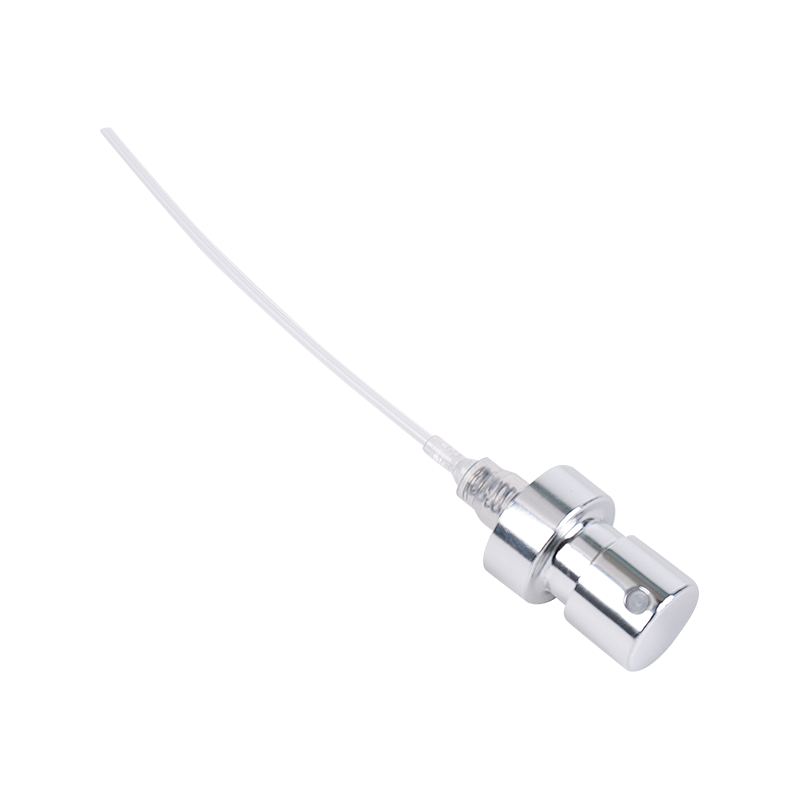
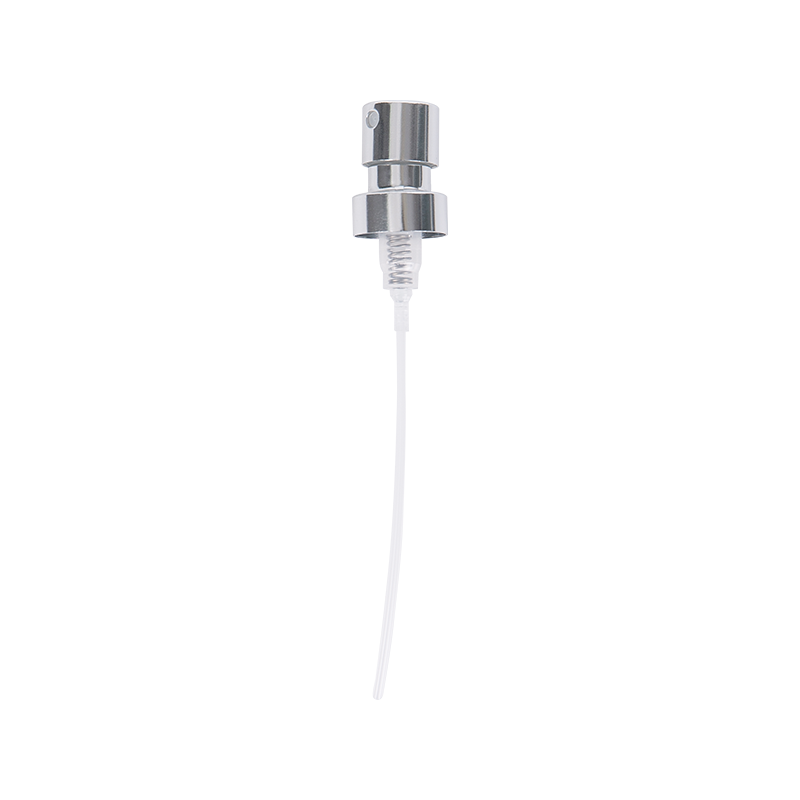
A perfume sprayer is the small mechanical pump and nozzle assembly responsible for turning liquid fragrance into that fine, even mist you spritz onto your skin or clothing. While most people focus entirely on the scent inside the bottle, the sprayer mechanism plays a surprisingly big role in how that fragrance actually performs, controlling everything from droplet size and spray pattern to how evenly the fragrance disperses across the skin. A poorly designed perfume sprayer can turn an expensive, beautifully blended fragrance into an inconsistent, wasteful experience, spraying in weak dribbles, uneven bursts, or oversized droplets that soak into fabric instead of settling as a fine mist.

Understanding how perfume sprayers work, and what separates a high-quality atomizer from a cheap one, is genuinely useful whether you're a fragrance enthusiast refilling travel bottles, a small business owner packaging your own scent line, or simply someone who wants to get the most out of every bottle you own. The right sprayer can extend how long your fragrance lasts, reduce product waste, and even affect how the scent is perceived on your skin.

How a Perfume Sprayer Actually Works

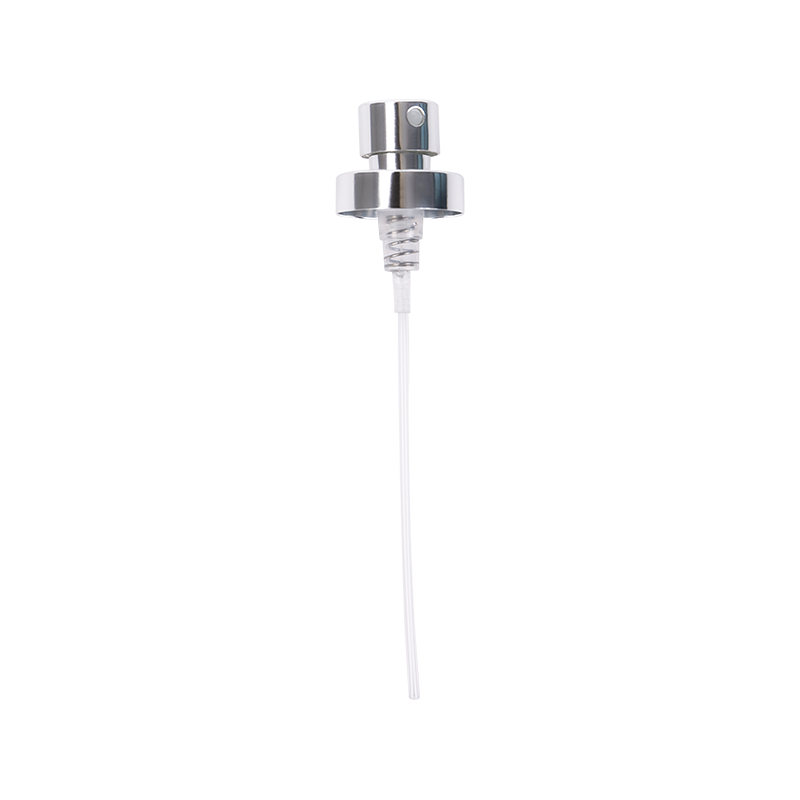
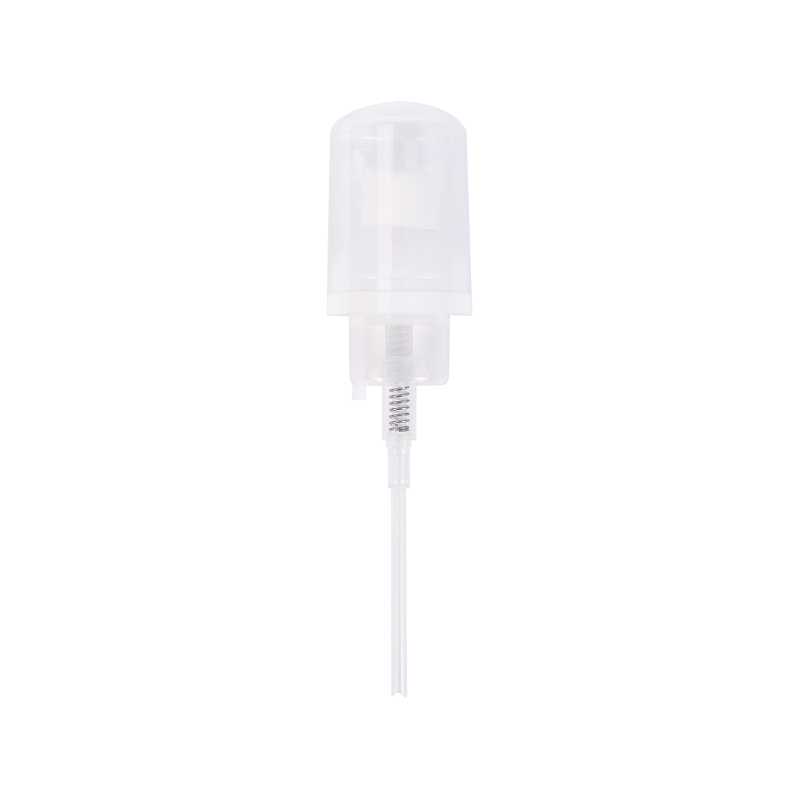
Every perfume sprayer relies on a simple but precisely engineered pump mechanism to draw liquid fragrance up through a dip tube and force it through a tiny nozzle opening, breaking it into a fine mist. When you press down on the actuator, a small piston inside the pump compresses, pushing pressurized liquid through the nozzle's micro-sized orifice. The size and shape of that orifice, along with the internal pressure the pump generates, determines whether you get a fine, even mist or a heavier, more concentrated stream.

The Dip Tube and Reservoir

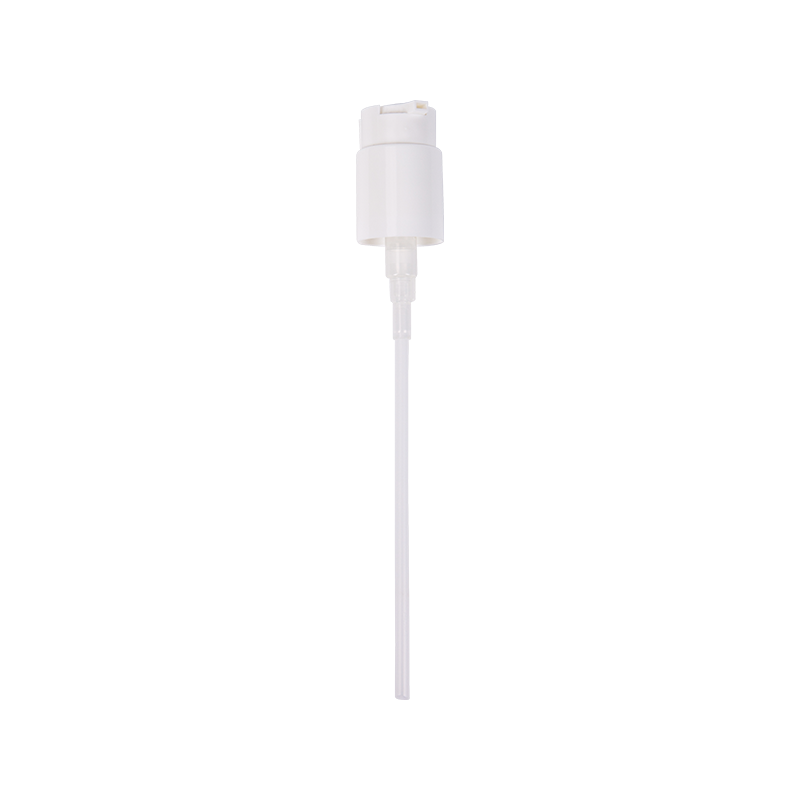
A thin plastic dip tube extends from the sprayer mechanism down into the bottle, drawing liquid up each time the pump is actuated. The length of this tube needs to reach close to the bottom of the bottle to ensure the last few milliliters of fragrance can still be sprayed rather than left stranded and unusable.

The Atomizing Nozzle

The nozzle, sometimes called the actuator button, contains the tiny opening that breaks liquid into a mist as it's forced through under pressure. High-quality nozzles use precision-molded orifices measured in microns to create consistently fine droplets, while lower-quality sprayers often produce uneven droplet sizes that affect both the spray pattern and how quickly the fragrance dries on skin.

Types of Perfume Sprayers You'll Commonly Encounter

Not all perfume sprayers are built the same, and understanding the differences helps when choosing bottles, replacement parts, or travel atomizers.

Sprayer Type Mist Quality Common Use
Standard Crimp Pump Sprayer Fine, consistent mist Retail perfume bottles
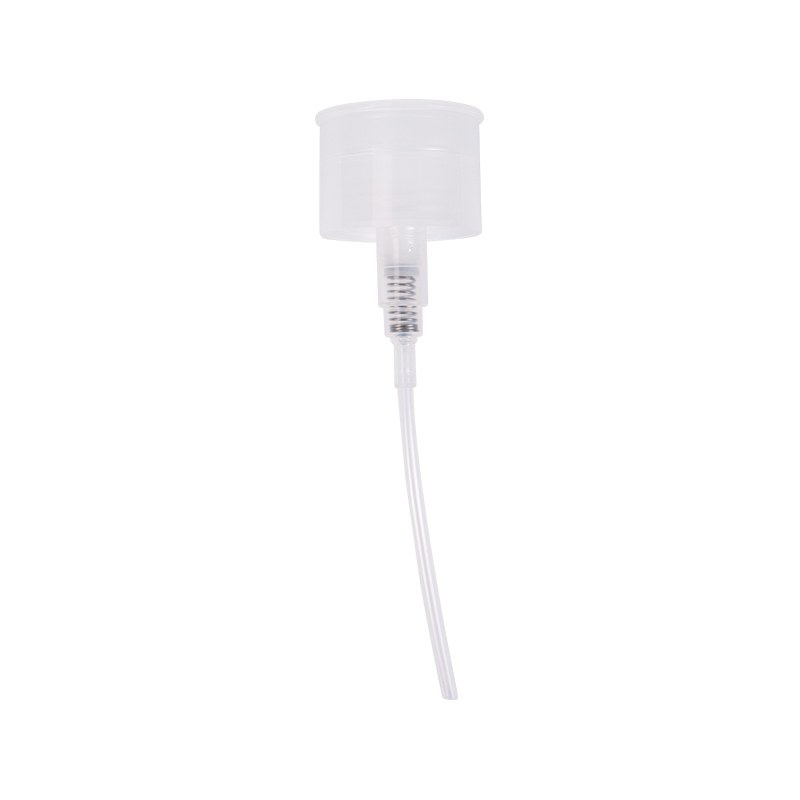
Screw-Type Refillable Sprayer Moderate, varies by brand Travel and refillable atomizers
Bulb Atomizer Coarser, larger droplets Vintage and decorative bottles
Mini Travel Spray Pump Fine to moderate Compact refillable travel bottles

Standard crimp pump sprayers, the kind sealed onto most retail perfume bottles at the factory, generally deliver the finest and most consistent mist because they're engineered specifically for the fragrance industry's quality standards, while bulb atomizers prioritize aesthetic charm over precise atomization.

Signs Your Perfume Sprayer Needs Attention

A perfume sprayer that isn't working properly can waste product and ruin the experience of applying your favorite scent. Watch for these common warning signs.

  • The pump requires several presses before any fragrance comes out
  • Fragrance sprays in an uneven stream or dribbles rather than a fine mist
  • The spray pattern shoots off to one side instead of straight ahead
  • Visible crust or residue has built up around the nozzle opening
  • The actuator button feels loose, sticky, or doesn't spring back after pressing

Most of these issues stem from dried fragrance residue clogging the tiny nozzle opening, since perfume contains alcohol and oils that can crystallize or leave behind sticky buildup if the bottle sits unused for extended periods.

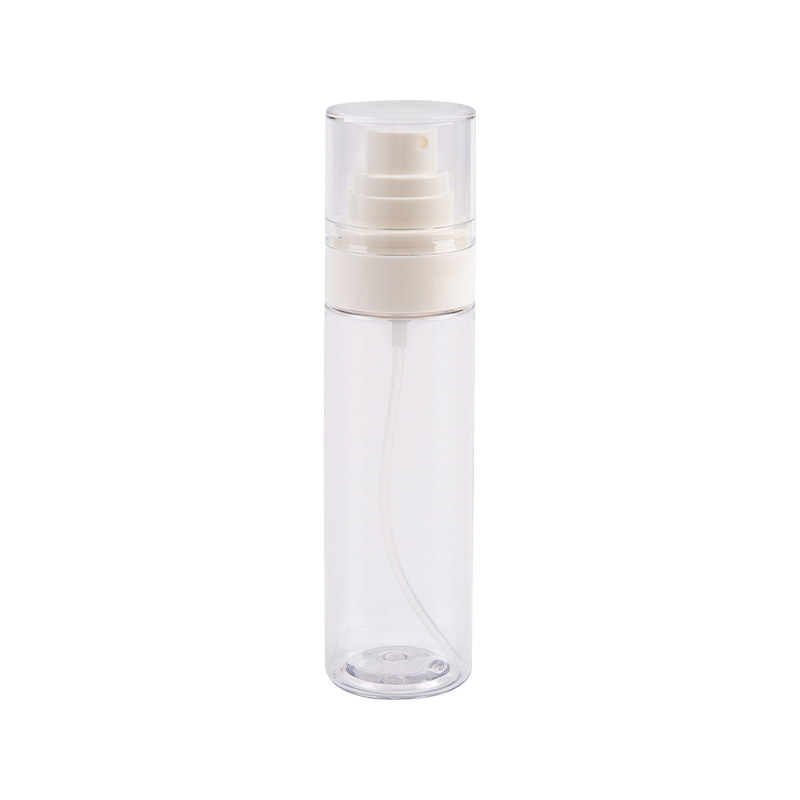
Ultrafine Plastic Perfume Sprayer

How to Clean and Unclog a Perfume Sprayer

Fixing a clogged perfume sprayer is usually a quick, simple task that doesn't require any special tools.

  • Remove the actuator nozzle by gently pulling it straight up off the pump stem
  • Soak the nozzle in warm water for several minutes to dissolve dried residue
  • Use a fine needle or pin to gently clear the tiny spray opening if soaking alone doesn't work
  • Rinse thoroughly and allow the nozzle to air dry completely before reattaching
  • Reattach the nozzle firmly and test with a few pumps over a tissue before regular use

If cleaning doesn't restore proper function, the internal pump mechanism itself may have failed, in which case replacing the entire sprayer unit is usually more practical than attempting further repairs.

Choosing a Replacement or Travel Perfume Sprayer

When shopping for a replacement or travel perfume sprayer, a few details make a noticeable difference in performance and long-term satisfaction.

Check the Bottle Neck Compatibility

Perfume sprayers come in different neck diameters and crimp styles, so it's important to match the replacement sprayer to your specific bottle's neck size to ensure a proper, leak-free seal.

Prioritize Fine Mist Quality Over Bottle Aesthetics

It's tempting to choose a travel atomizer based purely on how attractive the bottle looks, but the quality of the actual spray mechanism matters far more for a satisfying user experience. Reading reviews or testing before buying in bulk can help avoid disappointing coarse or uneven sprays.

Tips for Getting the Most Out of Every Spray

A few small habits can help you get consistent, satisfying results from your perfume sprayer every time you use it.

  • Store perfume bottles upright to prevent liquid from pooling around the nozzle seal
  • Wipe the nozzle tip clean after each use to prevent residue buildup over time
  • Keep bottles away from direct sunlight and heat, which can degrade both the fragrance and the sprayer's plastic components
  • Use the sprayer regularly, even occasionally, since infrequent use is a leading cause of clogging

Final Thoughts on Perfume Sprayer Performance

The perfume sprayer might be a small, often overlooked part of your favorite fragrance bottle, but it has a real impact on how well that scent performs every time you use it. Understanding how the pump and nozzle mechanism works, recognizing the signs of a clog or failure, and knowing how to clean or replace a sprayer when needed can help you get more consistent, satisfying results from every bottle you own. Whether you're maintaining a beloved signature scent or setting up a travel-friendly atomizer for your next trip, a little attention to the sprayer itself goes a long way toward preserving the experience the fragrance was designed to deliver.

우리에게 에 문의하십시오